02The leaf
Earthy, resinous, quietly floral
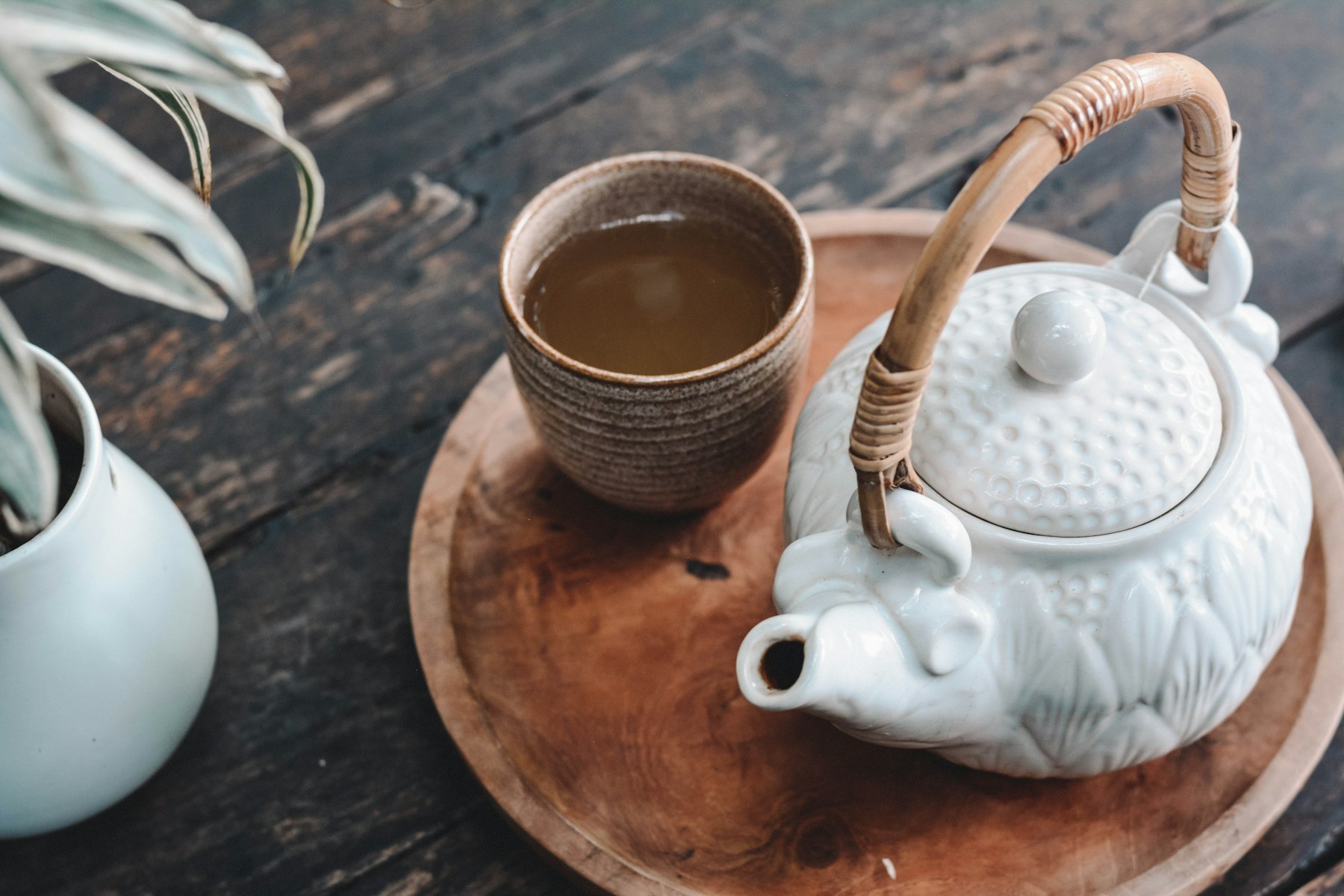
A caffeine-free loose-leaf herbal tea. Nothing is added. The cup is aromatic, with a slight bitterness and a floral edge if you steep it longer.
25g
Signature bag
The usual retail pack. Loose whole leaf, enough for a run of cups or a gift.
60g
Pantry bag
The same leaf in a larger bag for a household or a tea counter.
Export formats
China is the main market. Retail bags and larger export packs are prepared to order in Tākaka. Carton size, labelling, and documents are agreed with each buyer. We do not publish a standing price list here.
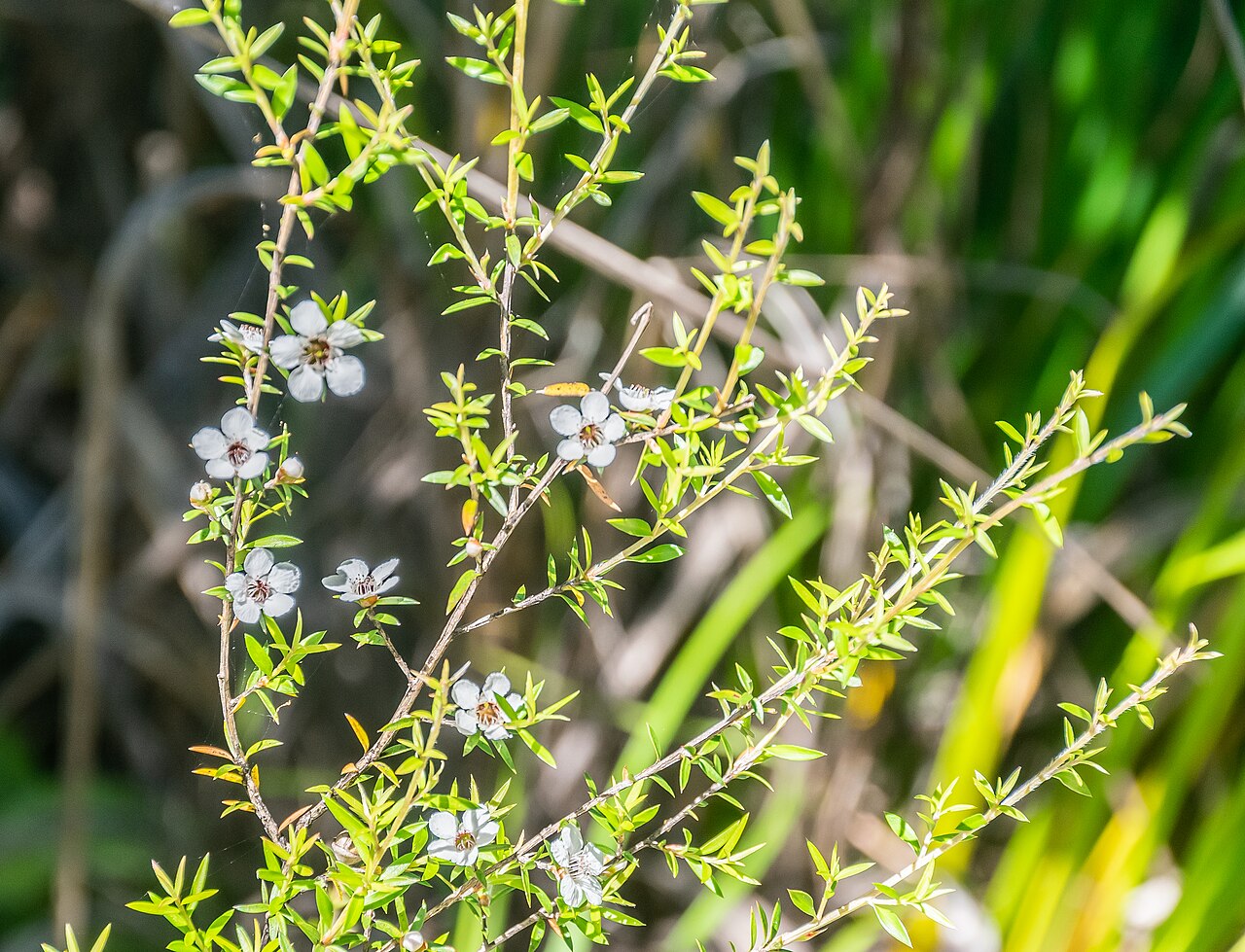
- 100% wild-grown mānuka leaf
- Hand-picked, graded, and packed
- Naturally dried in small batches
- No additives or preservatives
- Naturally caffeine-free
- Whole leaf, not a dust tea bag
What the leaf has been taken for
- A hot infusion for seasonal colds and fever, and for a tight chest.
- A cup associated with an unsettled stomach and with urinary discomfort.
- Bruised leaves, bound on the skin, in the older treatment of wounds.
- Aromatic oils in the leaf, including leptospermone, studied for antibacterial and antioxidant activity.
Mānuka Harvest sells the dried leaf as a food. The uses above are tradition, and published laboratory research on the plant. This tea is not a medicine, and it is not sold to diagnose, treat, cure, or prevent any condition.
05In the cup, and in the kitchen
One teaspoon. Boiling water. A few quiet minutes.
- Measure about one teaspoon of leaf for each cup.
- Put it in a pot or an infuser. This is loose leaf, not a paper bag.
- Pour freshly boiled water over the leaf.
- Steep for three to five minutes. Longer gives a deeper, more resinous cup.
Beyond the pot
The dried whole leaf is also used as a rub for roasted meats, especially lamb and game, and can be warmed into a cooking oil. Once a bag is open, keep it sealed and away from heat and moisture.